Wrecks, Walls, and Whale Sharks: Choosing Your Perfect Dive Adventure in the Philippines
Few destinations on Earth can match the diversity of diving experiences found in the Philippines. This tropical archipelago of more than 7,000 islands offers something for every kind of diver — from history lovers exploring WWII wrecks to thrill-seekers chasing whale sharks, to those who prefer drifting effortlessly along vibrant coral walls.
Choosing your perfect dive adventure here is less about finding a single “best” spot and more about matching the type of diving you love to the regions that deliver it best. Whether you’re drawn to deep history, colorful reefs, or megafauna encounters, the Philippines has a site — or an island — with your name on it.
Wreck Diving: History Beneath the Waves
For many divers, wrecks represent the perfect blend of exploration and storytelling. The Philippines is home to some of the most accessible and historically rich wreck diving in the world, especially around Coron Bay in northern Palawan.
In 1944, a fleet of Japanese ships was sunk here by American aircraft during World War II. Today, those same vessels rest peacefully at depths ranging from 15 to 40 meters, blanketed in coral and home to a thriving underwater ecosystem. Divers can swim through cargo holds, explore engine rooms, and glide past ghostly gun turrets now softened by time and marine life.
Coron’s wrecks are suitable for all levels, from beginner to technical diver. The shallower wrecks, like the Irako and Olympia Maru, provide easy access for recreational divers, while deeper sites offer extended challenges for those trained in wreck penetration and technical diving.
Beyond Coron, other notable wrecks include those in Subic Bay on Luzon, where both Spanish and American vessels can be explored. These sites offer a fascinating glimpse into the Philippines’ layered maritime history — an underwater museum for those who love blending diving with discovery.
Wall Diving: The Vertical Reefs of the Sulu and Visayan Seas
If wrecks are time capsules, then the Philippines’ coral walls are cathedrals — vast, living structures bursting with color and motion. These dramatic underwater cliffs drop from shallow coral gardens into the deep blue, often descending hundreds of feet.
The most famous wall diving destination in the country is Tubbataha Reefs Natural Park. Located in the middle of the Sulu Sea, this UNESCO World Heritage Site is only accessible by liveaboard from March to June. Its sheer walls are adorned with sponges, sea fans, and hard corals, while sharks, rays, and schools of barracuda cruise in the blue just beyond the drop-off.
Another exceptional wall diving area is Apo Reef, off the coast of Mindoro. Often compared to the Great Barrier Reef in scale and diversity, Apo features stunning vertical formations and drift dives filled with pelagic action. It’s also one of the best sites in the country for spotting reef sharks and massive schools of fish.
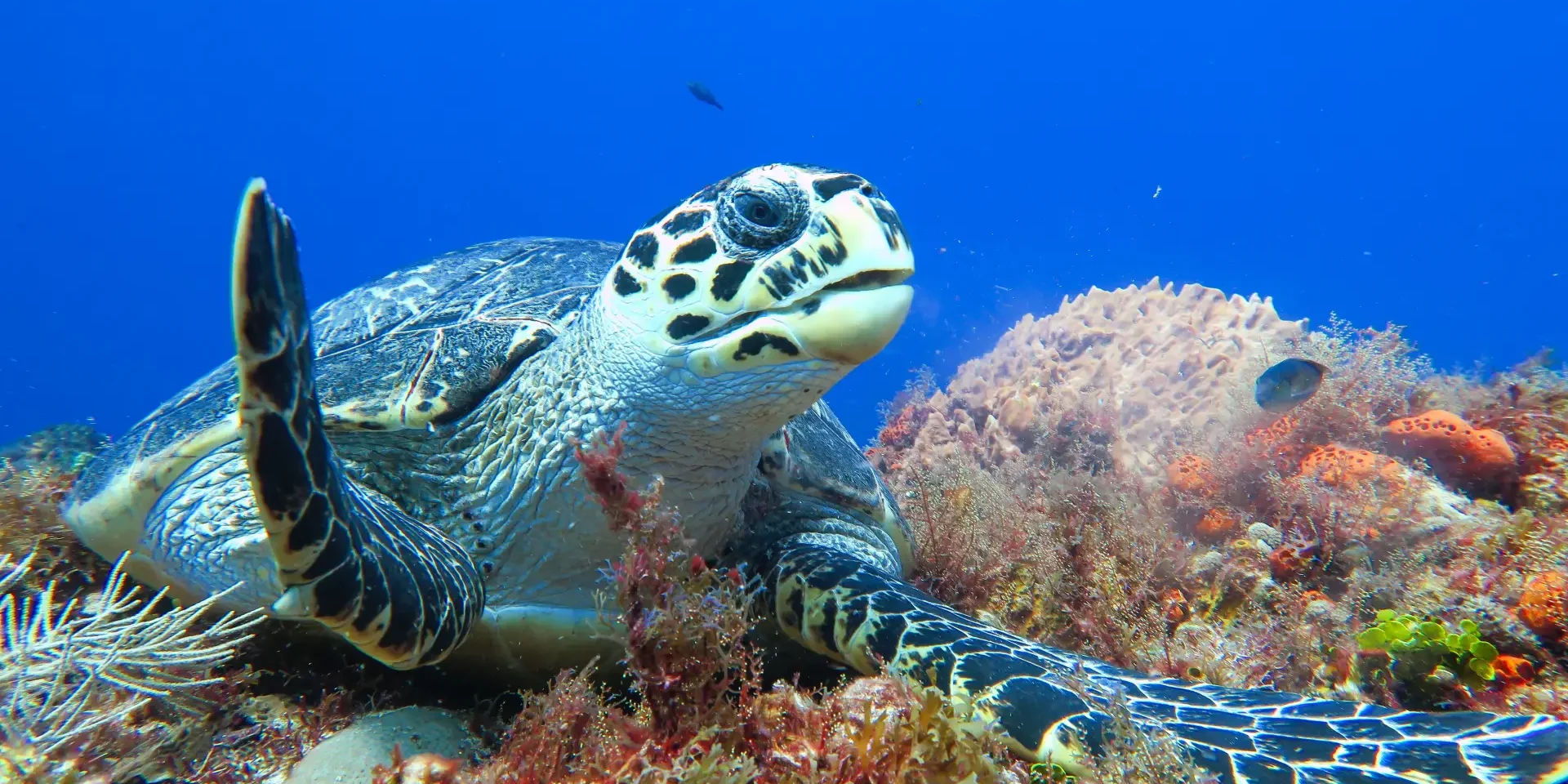
Closer to shore, Balicasag Island in Bohol offers walls that are both accessible and breathtaking. Divers can hover effortlessly over the edge, watching turtles feed along the top of the reef while jacks and snappers swirl below.
Wall diving in the Philippines is ideal for wide-angle photographers and anyone who loves a sense of scale and movement in their dives. The combination of crystal-clear water and lush coral formations makes these sites some of the most photogenic in Asia.
 Whale Shark Encounters: Gentle Giants of the Sea
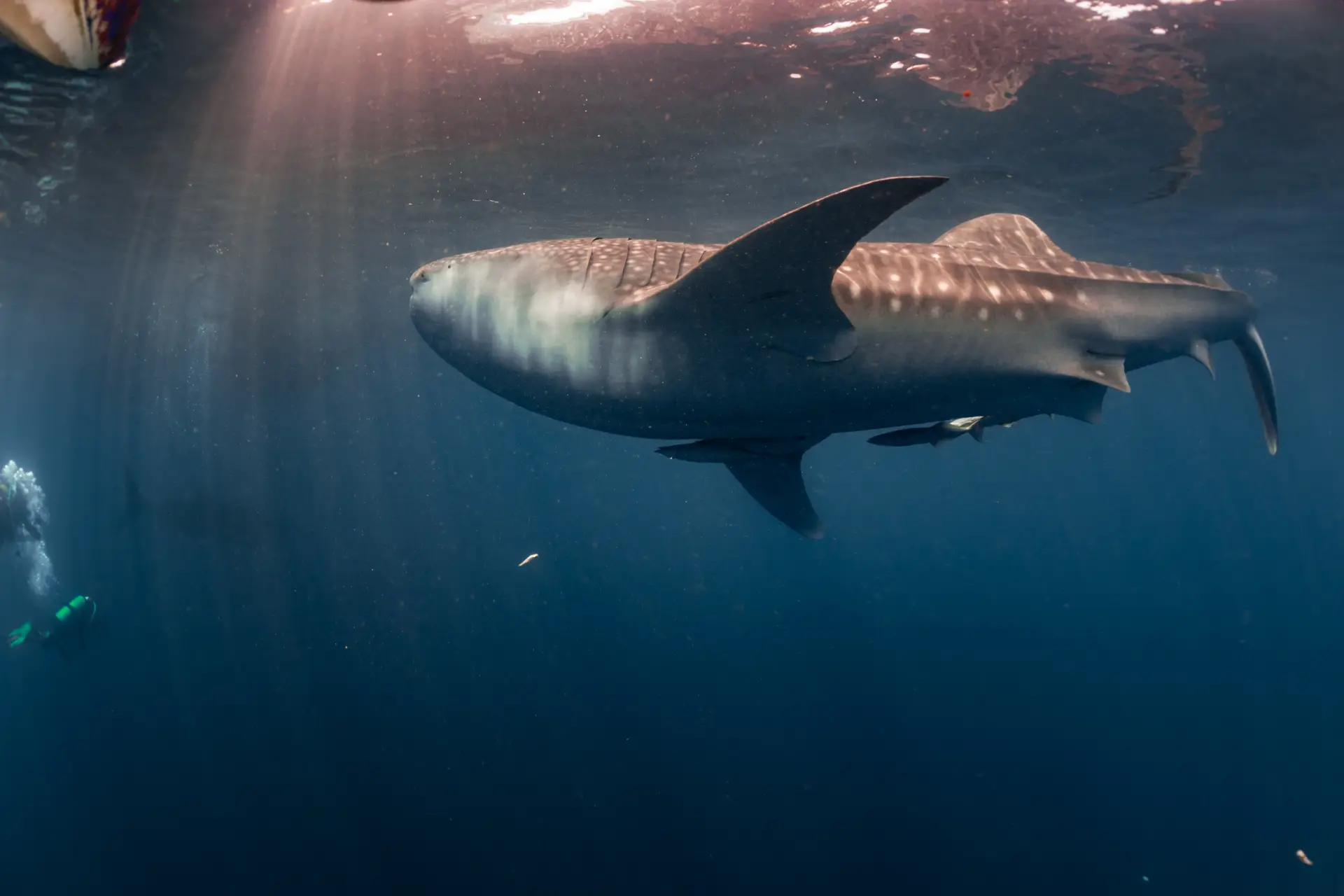
If you’ve ever dreamed of swimming alongside the ocean’s largest fish, the Philippines is one of the best places in the world to do it. Whale sharks — gentle, filter-feeding giants that can grow up to 40 feet long — visit several areas of the country throughout the year.
The most famous spot for natural whale shark encounters is Donsol Bay in southern Luzon. From February to May, these enormous animals migrate through the area, following seasonal plankton blooms. Encounters here are conducted under strict ecological guidelines: divers and snorkelers observe without touching, feeding, or crowding the animals, making Donsol a model for responsible tourism.
In the Visayas, whale sharks are also seen around Oslob, Cebu, where they’ve become accustomed to human presence. While this location guarantees close-up views, opinions differ on the ethics of hand-feeding practices. Divers seeking a more natural experience often prefer Donsol or even offshore encounters around Tubbataha or Southern Leyte, where sightings occur spontaneously in open water.
Meeting a whale shark in the wild is an unforgettable moment. Watching one glide silently past, its spotted body shimmering in sunlight, is a reminder of how vast and gentle the ocean can be.
 Other Dive Adventures Worth Exploring
While wrecks, walls, and whale sharks steal the spotlight, the Philippines has plenty more to offer beneath the surface.
Macro Diving: In Anilao, Dauin, and Bohol, divers can spend hours photographing the tiniest and most intricate marine life — from flamboyant cuttlefish and blue-ringed octopuses to frogfish and seahorses.
Drift Diving: The channels around the Visayas and the northern tip of Mindoro provide exhilarating drift dives where currents carry you past coral gardens, turtles, and schools of reef fish.
Cave and Cavern Diving: Experienced divers can explore submerged caves in regions like Samar or Palawan, where shafts of light filter through overhead openings, illuminating limestone chambers.
Night Diving: When darkness falls, the reefs come alive in a completely different way. Crustaceans, cephalopods, and hunting lionfish emerge, while corals and plankton glow with bioluminescence.
Each of these experiences adds another dimension to diving in the Philippines — a destination that caters to every interest and ability level.
Choosing Your Perfect Dive Adventure
With so many options, how do you decide which dive experience is right for you? Here are a few quick pointers to help narrow it down:
-
If you love history and exploration: Head for Coron or Subic Bay to dive among wartime relics now transformed into living reefs.
-
If you’re drawn to big, colorful reefs and pelagic life: Choose wall diving destinations like Tubbataha, Apo Reef, or Balicasag Island.
-
If swimming with giants is your dream: Plan your trip between February and May and visit Donsol or Southern Leyte for natural whale shark encounters.
-
If you prefer critters and close-up photography: Focus on Anilao, Dauin, or Panglao for world-class macro life.
-
If you want a little of everything: Combine regions — start with a week of macro diving and finish with a liveaboard trip to Tubbataha or Apo Reef.
The beauty of diving in the Philippines is its flexibility. You can craft a trip that fits your schedule, experience level, and interests perfectly.
Final Thoughts
From sunken warships to coral-covered cliffs and the world’s largest fish, the Philippines delivers an unmatched variety of underwater experiences. Each dive region tells a different story — one of nature’s creativity, history’s legacy, and the ocean’s endless wonder.
Whether you’re descending into the shadow of a WWII wreck, drifting along a living wall of coral, or locking eyes with a gentle whale shark, diving in the Philippines is more than a sport — it’s a journey through time, life, and the boundless blue that connects it all.
So, what kind of diver are you? Wreck explorer, reef wanderer, or megafauna chaser? In the Philippines, you don’t have to choose just one — you can experience them all.