Top Marine Species You Can Hope To See In Bohol
For scuba divers, the Philippines is the gift that keeps on giving. But even within this biodiversity hotspot, the waters surrounding Bohol—specifically the triangle between Panglao, Balicasag, and Pamilacan—stand out as a premier theater of marine life. From massive pelagic residents to “blink-and-you’ll-miss-it” macro wonders, the variety here is staggering.
Whether you are a wide-angle photographer chasing big schools or a muck-diving enthusiast with a magnifying glass in hand, scuba diving Bohol delivers a bucket-list experience on every descent. Here are the top marine species you can hope to encounter when you explore these vibrant reefs.
 The Green Sea Turtle (Chelonia mydas)
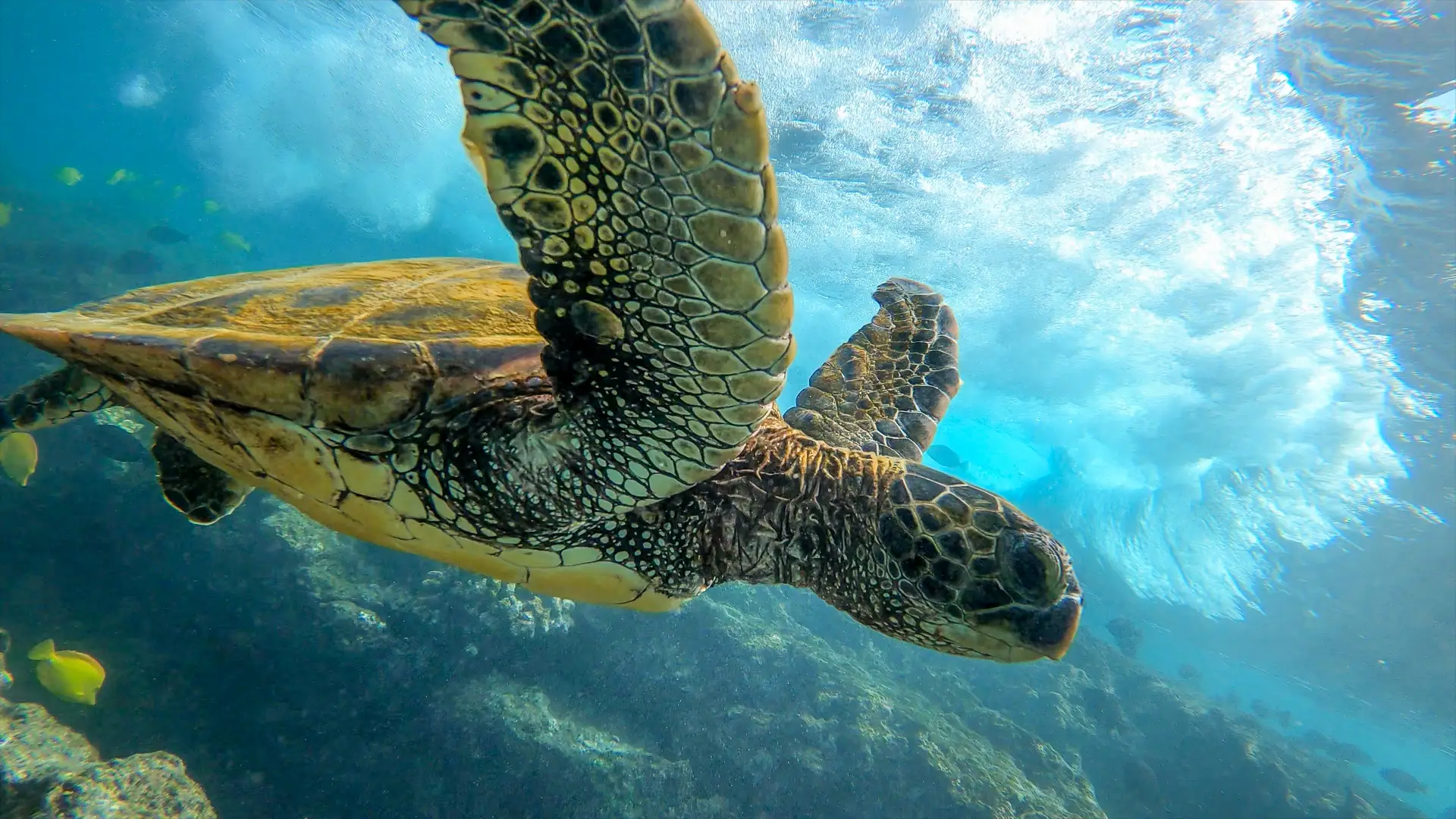
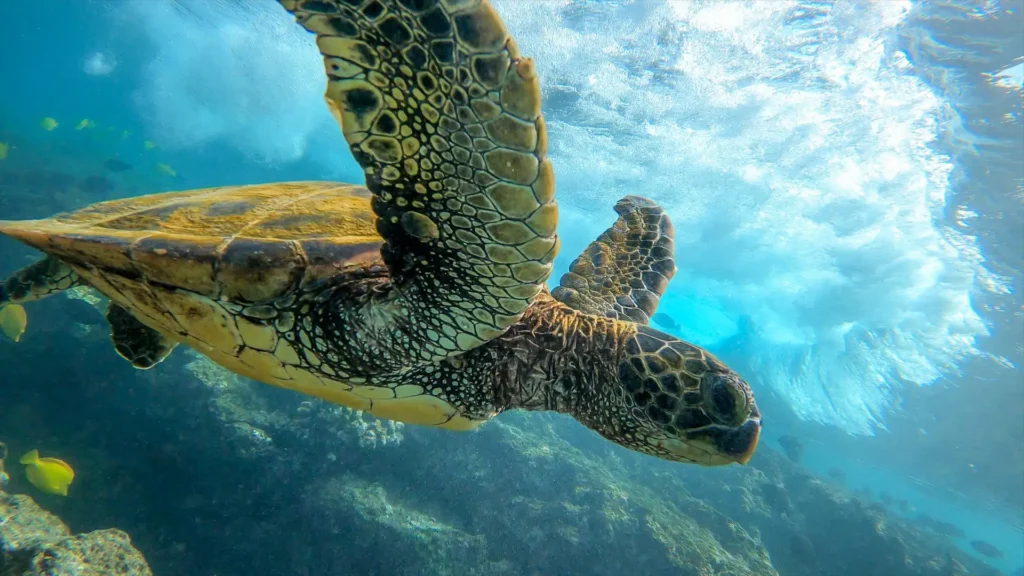
If there is one animal that defines diving Bohol, it is the sea turtle. While many dive destinations boast the occasional turtle sighting, Balicasag Island is famous for having “too many turtles.”
It is common to see dozens of Green Sea Turtles and the smaller, more pointed-beak Hawksbill Turtles on a single dive. Because Balicasag is a protected sanctuary, these animals are incredibly relaxed around humans. You can watch them graze on seagrass in the shallows or find them napping on ledges along the dramatic reef walls.
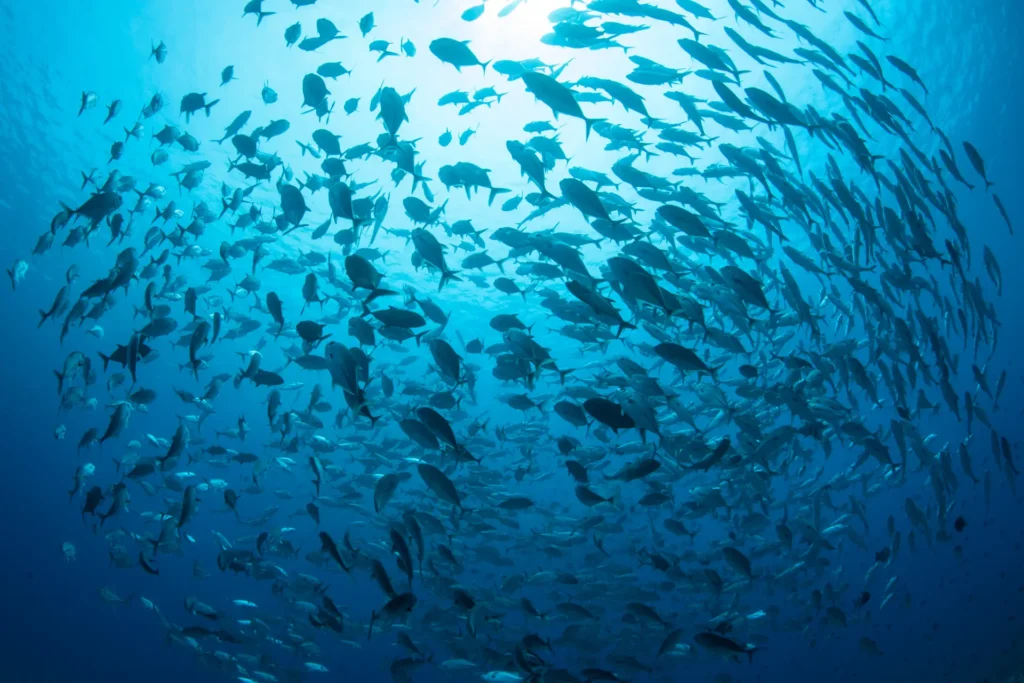 The “Jack Tornado” (Caranx sexfasciatus)
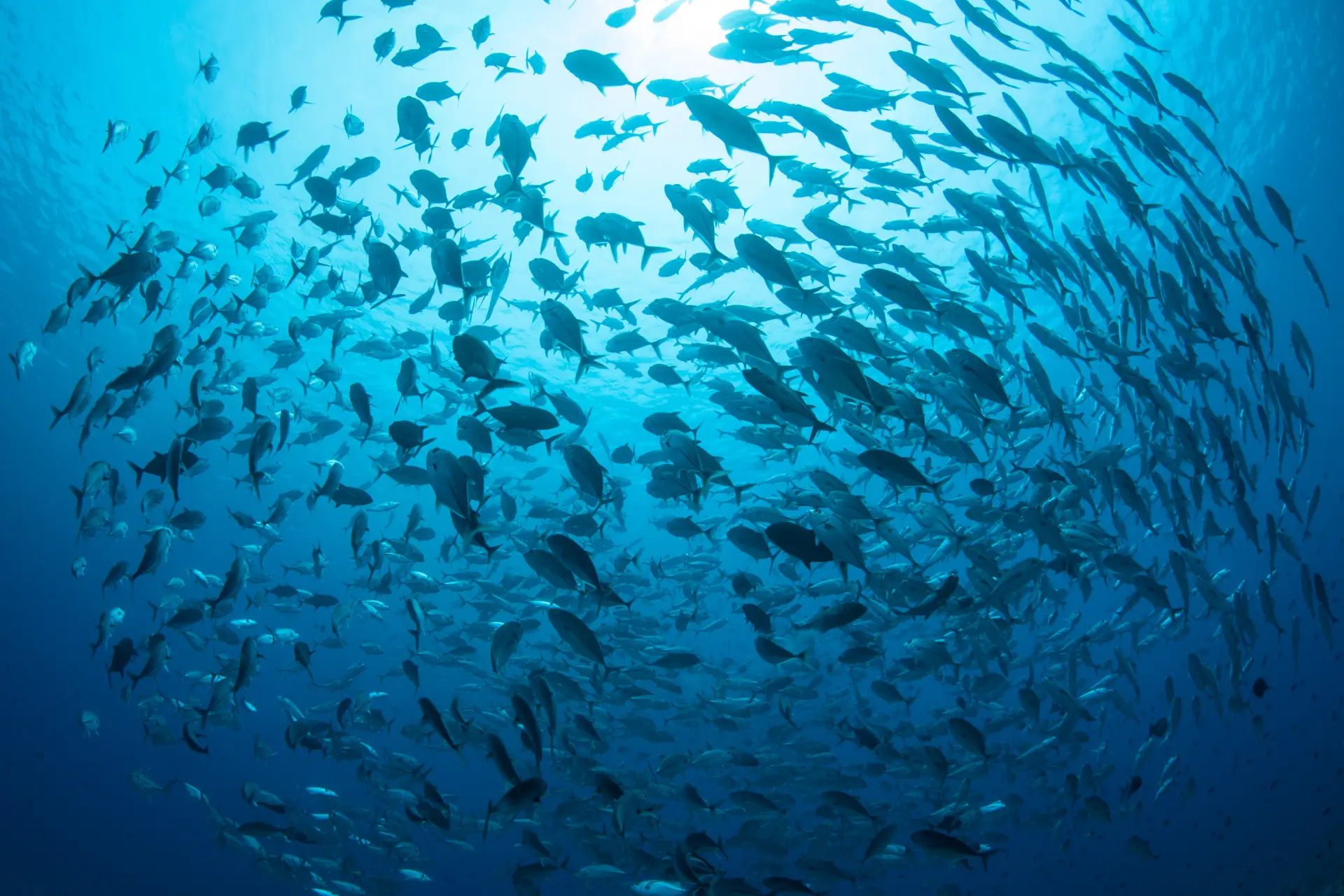
One of the most iconic sights in the region is the massive school of Bigeye Trevally (Jacks) at Balicasag. Thousands of silvery fish congregate to form a swirling vortex that can stretch from the surface down to 20 meters.
Entering the “Jack Tornado” is a surreal experience. As a diver, you can hover in the center of the school while the fish move in perfect, shimmering synchronization around you. It is a world-class spectacle that rivals any schooling fish encounter on the planet.
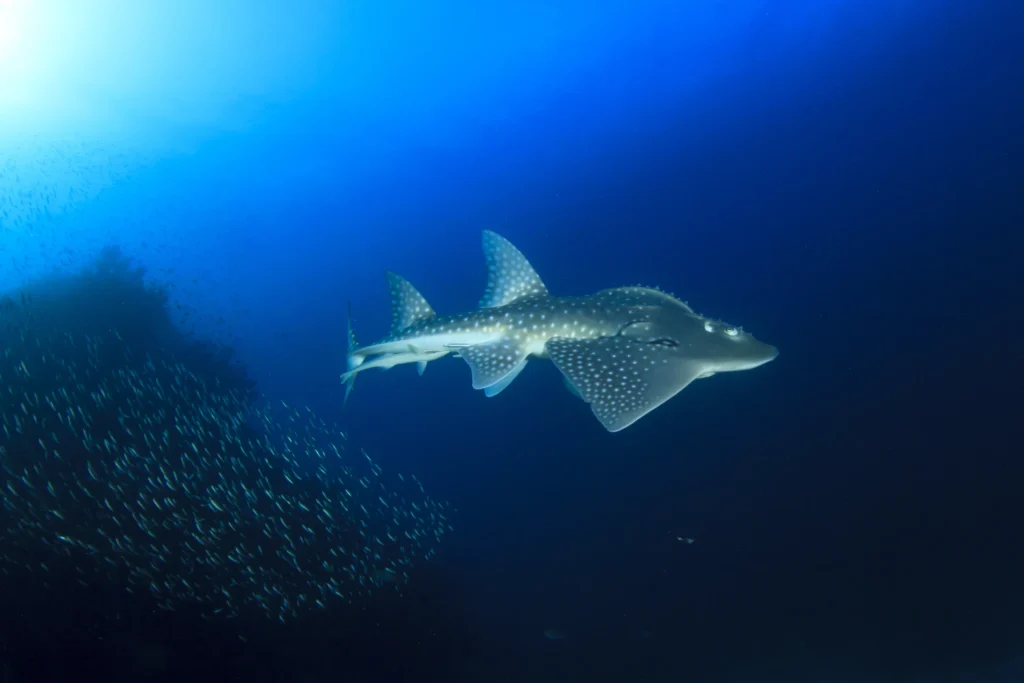 The Bowmouth Guitarfish (Rhina ancylostoma)
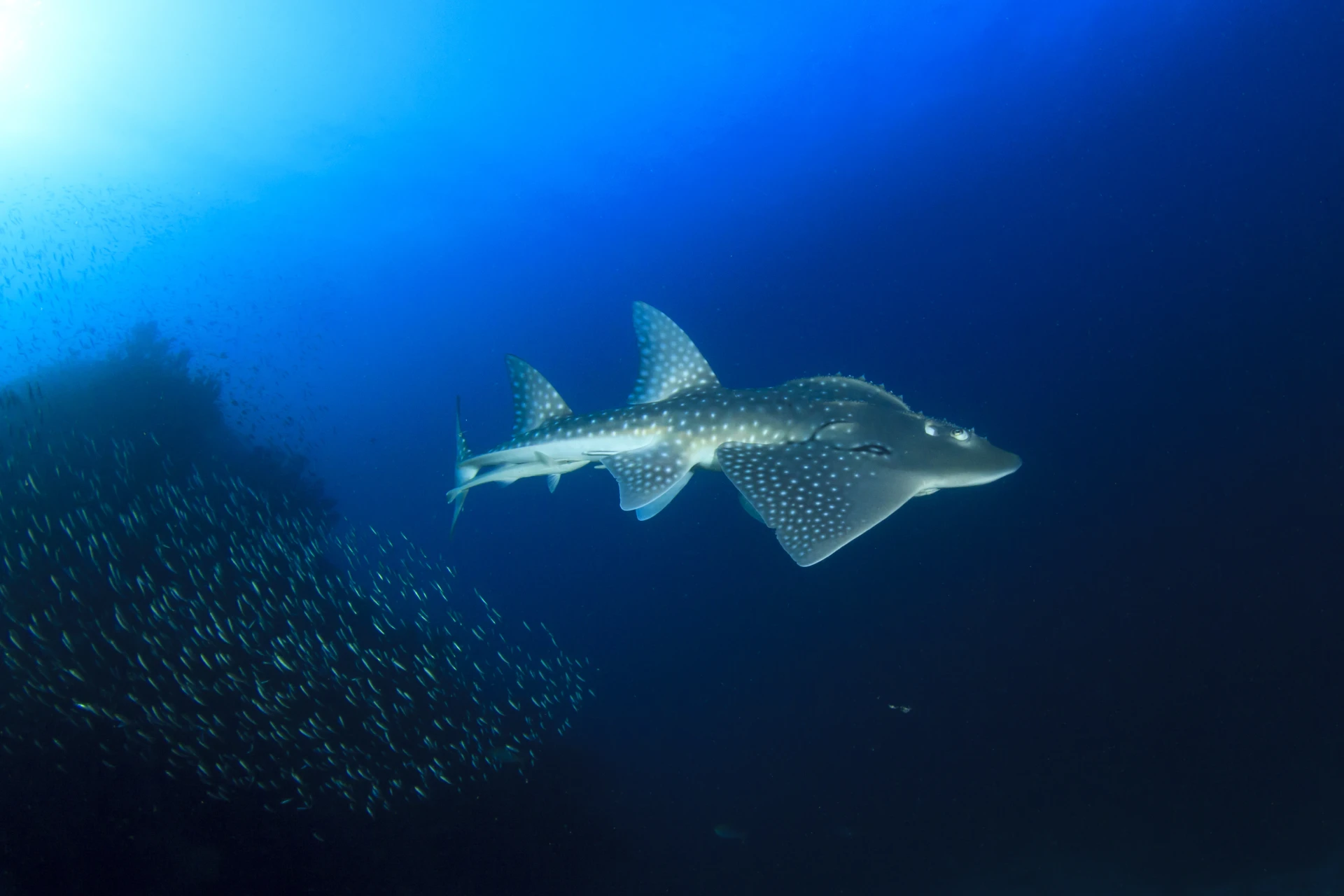
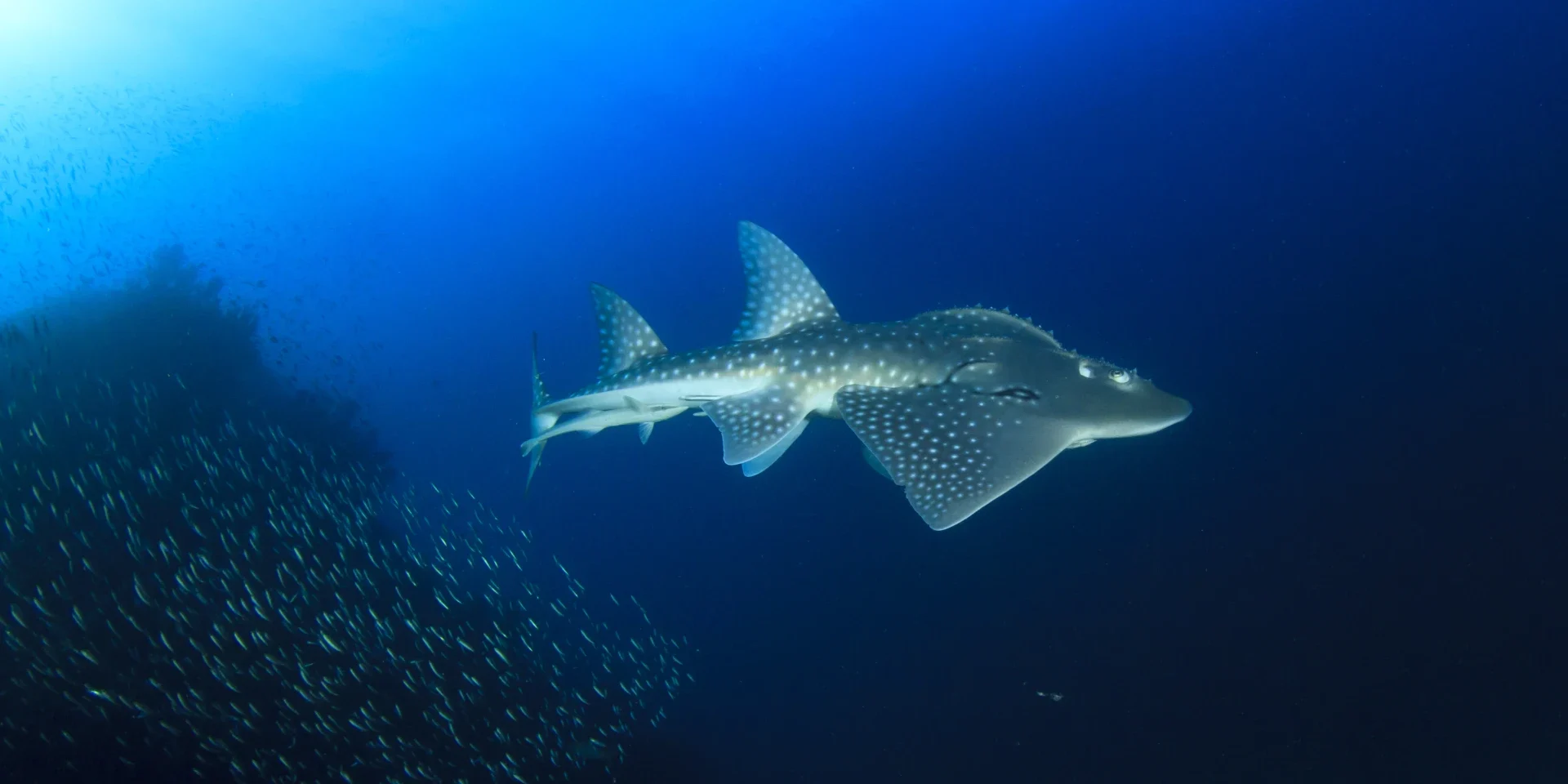
As mentioned in our recent news, the Bowmouth Guitarfish—also known as the Shark Ray—has become a legendary visitor to the area. This critically endangered species is a prehistoric-looking hybrid, with the front of a ray and the back of a shark.
While sightings are rare, they are becoming more frequent in the protected waters of Bohol. Encountering one of these 2-meter giants cruising the sandy slopes is a highlight that few divers in the world can claim.
 Frogfish and Macro Wonders
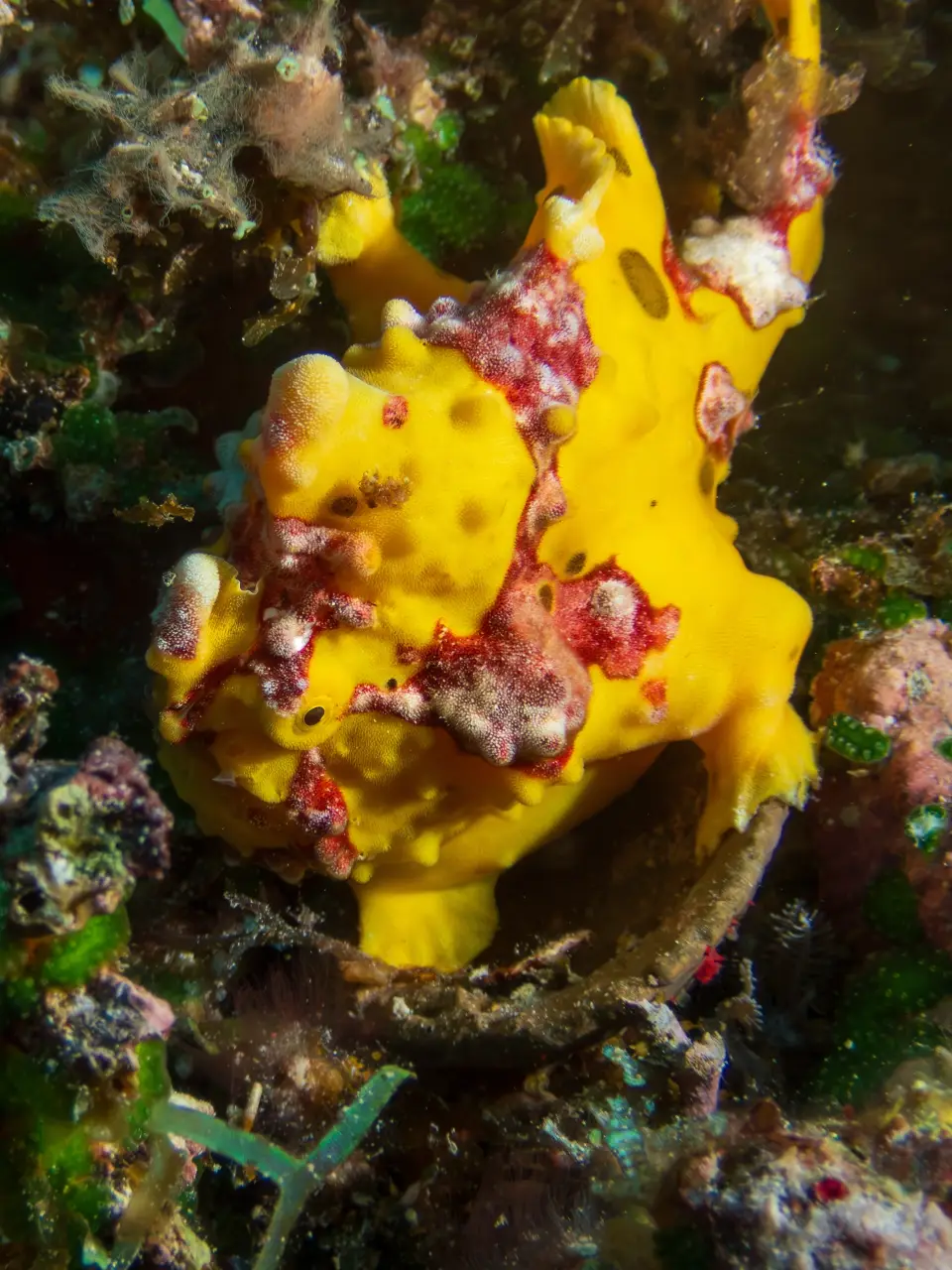
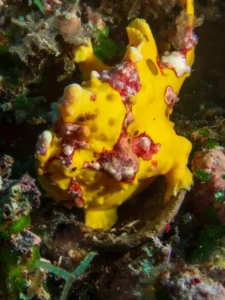
Bohol is a paradise for macro enthusiasts. The reefs around Panglao are famous for hosting various species of Frogfish. These masters of camouflage resemble sponges or algae-covered rocks and stay perfectly still until a prey item wanders too close.
Beyond frogfish, keep your eyes peeled for:
-
Pygmy Seahorses: Specifically Hippocampus bargibanti, which live exclusively on gorgonian sea fans and match their color and texture perfectly.
-
Nudibranchs: Known as the “jewels of the reef,” Bohol has hundreds of documented species of these colorful sea slugs.
-
Mandarinfish: Best seen at dusk, these are arguably the most beautiful fish in the ocean, performing a delicate mating dance in the staghorn corals.
 Pelagics: Whale Sharks and Barracudas
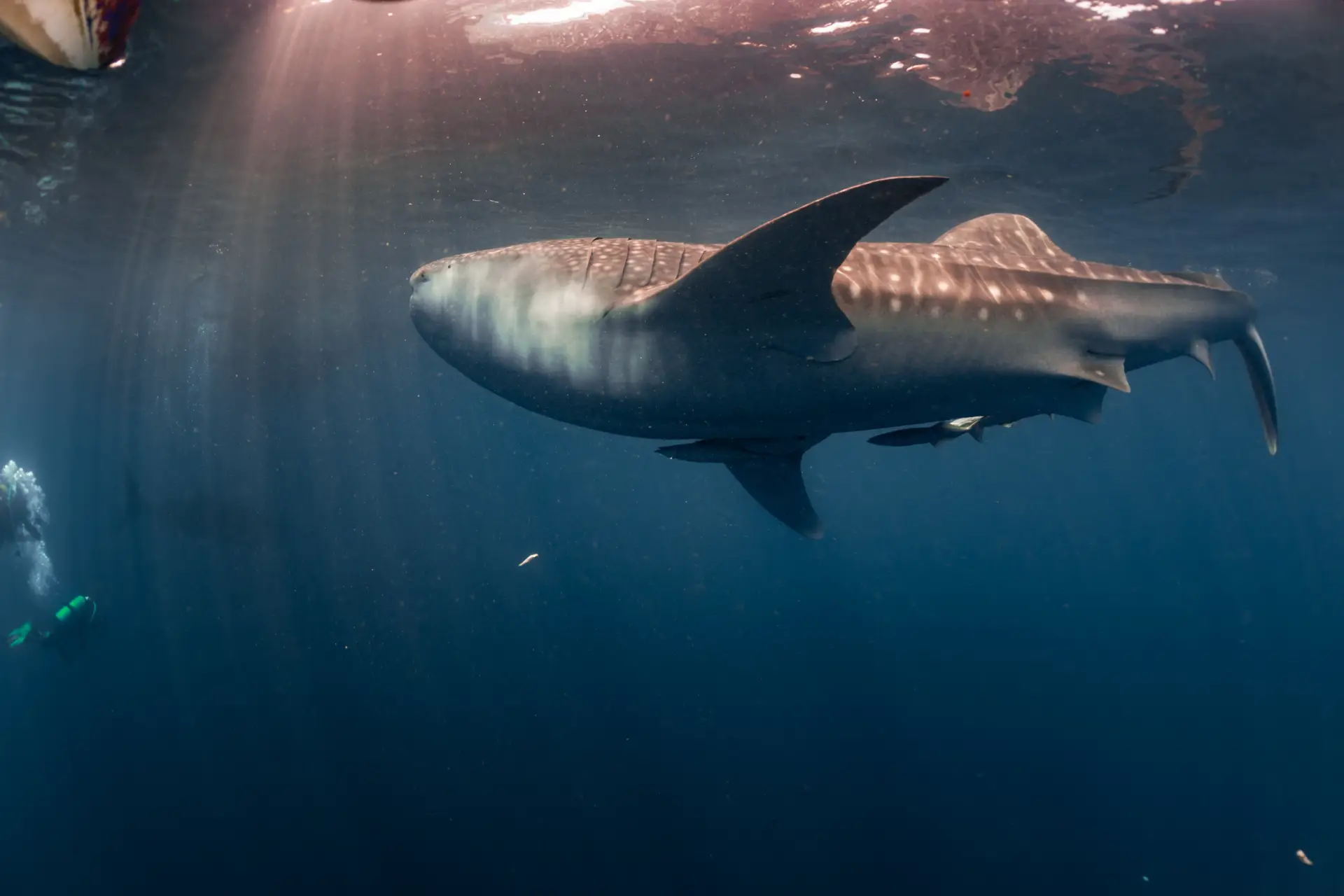
While sightings are less “guaranteed” than the turtles, the deeper waters near Pamilacan and the walls of Balicasag are frequent transit points for pelagic giants.
-
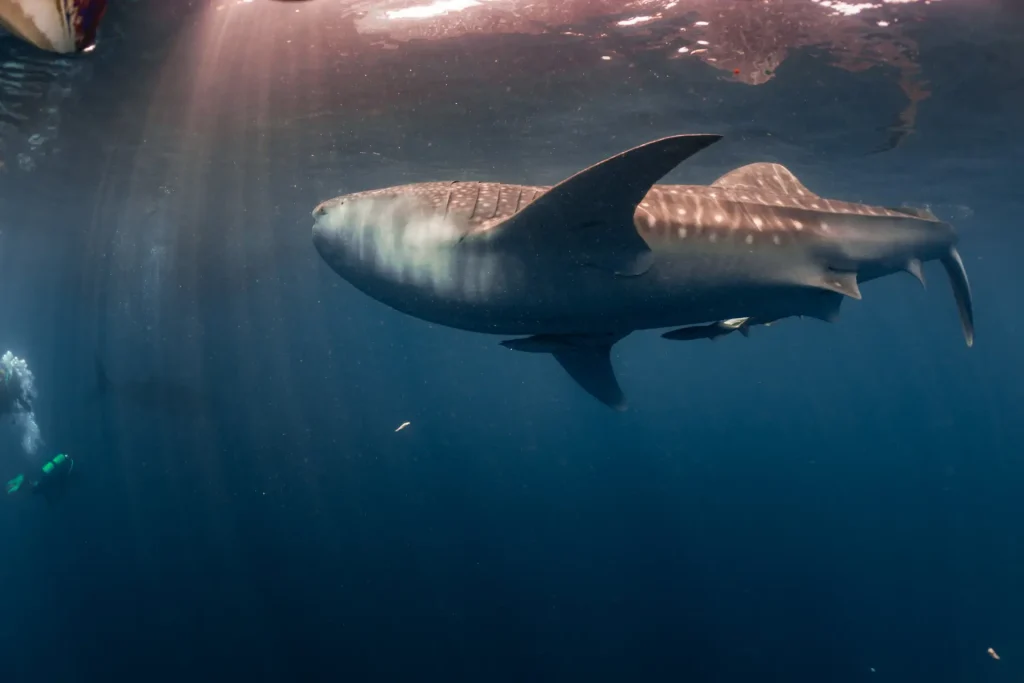
Whale Sharks: These gentle giants are often spotted passing through the blue. Unlike the “fed” sharks in other parts of the Philippines, seeing a Whale Shark in Bohol is a purely wild and organic encounter.
-
Barracudas: Large schools of Chevron and Great Barracuda are often found lurking near the reef corners where the currents are strongest. They hang in the water like silver spears, watching the reef below.
Why the Marine Life in Bohol is Thriving
The secret to the abundance of life in this region is the Bohol Marine Triangle. This conservation initiative protects the waters between Panglao, Balicasag, and Pamilacan, ensuring that the reefs remain healthy and the food chain stays intact.
To truly see these species, you need a guide who knows the “neighborhood.” The dive masters at Sierra Madre Divers spend thousands of hours underwater every year. They know exactly which sea fan hides the pygmy seahorse and which section of the wall the jacks prefer when the tide is coming in. Their local expertise doesn’t just make your dive safer; it makes it significantly more productive for sightings.
Whether you’re looking for the giant Shark Ray or the tiny ghost pipefish, scuba diving Philippines is at its best when you have the right team to show you the way.